- Home
- Fundraising use cases
Fundraising use cases
92 kinds of raise, each with a ranking of the 16 rooms, a folder index, the features that matter and the steps to set up. Grouped by who invests and what they read.

Company rounds and offerings
Equity raised by an operating company, from the first angel cheque to a registered or exempt offering.
21 use cases
- Pre-seedHow to set up a small data room for a pre-seed raise: what angels and pre-seed funds open, a short folder index, SAFE paperwork and the slips that cost trust.
- Seed roundSeed round fundraising with a data room: who leads seed rounds, what they read before a term sheet, a ten-folder index, setup steps and common errors.
- Series AThe Series A fundraising process step by step and the data room behind it: what institutional VCs check, an 11-folder index, timing and errors to avoid.
- Series BSeries B fundraising explained for the company side: who invests, how deep diligence goes, a data room index built around unit economics and scale.
- Series C and laterSeries C, D and later fundraising: who the investors are, why diligence looks like a buyout review, a 12-folder data room index and what slows closing.
- Angel roundRaising an angel round: who angel investors are, how accredited status works, what they read, a short data room index and how to keep many cheques organized.
- Growth equityRaising growth equity for a profitable or near-profitable company: what growth funds test, minority protections, a data room index and setup steps.
- Pre-IPO roundA pre-IPO round brings in public-market investors before listing.
- IPOWhat an IPO data room holds and who reads it: underwriters, their counsel, auditors.
- SPACData rooms across a SPAC: the sponsor raise, target diligence before the merger, PIPE investor access under wall-cross rules, and the 2024 SEC rule changes.
- Reg D 506(b)Rule 506(b) explained for issuers: no general solicitation, up to 35 non-accredited buyers per 90 days, Form D in 15 days, and how a gated room fits.
- Reg D 506(c)Rule 506(c) lets issuers advertise a private raise if every buyer is accredited and verified.
- Reg CFRegulation Crowdfunding for issuers: the 12-month cap, investor limits, Form C financial tiers, and what belongs in a private room versus on the portal.
- Reg ARegulation A for issuers: Tier 1 up to $20M and Tier 2 up to $75M a year, SEC qualification of Form 1-A, testing the waters and what the data room holds.
- Private placementA private placement sells securities without SEC registration.
- Family office capitalRaising from family offices: how single and multi-family offices invest directly, what their small teams read, a lean data room index and pacing tips.
- Strategic investorTaking money from a corporate or corporate VC: what strategic investors review, competitive risk, clean team rules and how to stage the data room.
- Small businessRaising money for a small business from lenders, local investors, partners or crowdfunding: what each source asks for, a simple data room and setup steps.
- Search fundA search fund raises twice: search capital, then acquisition capital for the target.
- Independent sponsorIndependent sponsors find a deal first, then raise equity for it.
- Secondary salePrimary shares raise money for the company; secondary sales move existing shares between holders.

Fund raises
Managers raising commitments from LPs for venture, buyout, credit, real assets and newer fund formats.
21 use cases
- VC fund raiseRaising a venture fund: what LPs read before they commit, a 10-folder room index, 3(c)(1) and 3(c)(7) limits, and how to run first and final close.
- First-time fundRaising Fund I without a fund-level track record: how to evidence attributable deals, set up operations LPs trust, and index a data room for first close.
- Emerging managerFor managers on Fund I to III: what emerging manager programs and seeders ask for, how to stage the data room, and the operations evidence that closes LPs.
- Private equity fundThe private equity fundraising process from pre-marketing to final close: what institutional LPs review, a 12-folder data room, side letters and MFN.
- Hedge fundHedge fund fundraising for launches and established managers: what allocators and consultants ask for, the ODD pack, and a data room built for monthly updates.
- Private credit fundRaising a direct lending or private credit fund: loan-level track record, loss and recovery data, fund borrowing terms and the data room index LPs expect.
- Real estate fundRaising a closed-end real estate fund: asset-level track record, ERISA and REOC structuring, tax issues for exempt and non-US LPs, and a data room index.
- Infrastructure fundRaising an infrastructure fund: long-dated cash yield, regulated and contracted assets, concession files and the data room structure LPs work through.
- Fund of fundsRaising a fund of funds: manager selection record, the layered fee case, look-through rules and confidentiality limits on underlying fund data.
- Secondaries fundRaising a fund that buys LP interests and backs GP-led deals: pricing record, discount and NAV data, deal flow, and how to index the data room.
- Continuation fundSetting up a GP-led continuation fund: separate rooms for buyers and existing LPs, the election process, fairness opinion and LPAC files.
- GP stakesSelling a minority stake in your management company to a GP stakes investor: what buyers value, the fee and carry data they model, and a data room index.
- Co-investmentRaising co-investment alongside a fund: fast LP decisions, allocation policy, SPV documents and a data room that works on a deal timetable.
- Evergreen fundRaising capital continuously for an evergreen or semi-liquid fund: NAV and liquidity disclosures, platform due diligence and a room that updates monthly.
- Impact fundRaising an impact fund: how LPs test impact claims, the measurement framework and evidence to include, and a data room that keeps both data sets aligned.
- Climate fundRaising a climate or energy transition fund: emissions methodology, technology and policy risk, tax credit exposure and how to index the LP data room.
- Digital asset fundRaising a crypto or digital asset fund: custody and key management evidence, valuation sources, regulatory analysis and the ODD pack allocators expect.
- Non-traded BDCRaising capital for a non-traded or private BDC: the 70 percent asset rule, borrowing limits, selling firm diligence and a room for the distribution channel.
- Non-traded REITRaising capital for a non-traded REIT: REIT qualification tests, NAV and redemption disclosure, selling group diligence and a data room built for advisers.
- LP fundraisingHow GPs run LP fundraising: who the LPs are, the order they read documents, first and final close mechanics, and a data room index that works for any fund.
- GP commitment financingFinancing the GP commitment with a loan: what lenders underwrite, the fee and carry data they need, LPA pledge limits and a short data room index.

Real estate and projects
Sponsors raising equity or project capital for buildings, land, energy and natural resources.
12 use cases
- Real estate syndicationHow a syndication sponsor sets up the investor room: Reg D choices, the deal package passive investors read, a 10-folder index and subscription flow.
- Development raiseRaising equity and a construction loan for a ground-up project: entitlements, budgets, GMP contracts and the room index equity partners and lenders expect.
- Multifamily raiseRaising equity for an apartment acquisition: rent roll, T12, value-add budget, agency debt terms and a 10-folder data room investors can read in an evening.
- Hotel raiseRaising capital for a hotel: STR reports, franchise and management agreements, PIP budgets, RevPAR history and the data room structure hotel investors expect.
- Opportunity zone fundRaising a qualified opportunity fund: the 180-day gain window, the 90% asset test, substantial improvement records and the room tax advisers read.
- DST 1031 offeringSponsoring a Delaware statutory trust for 1031 investors: Rev.
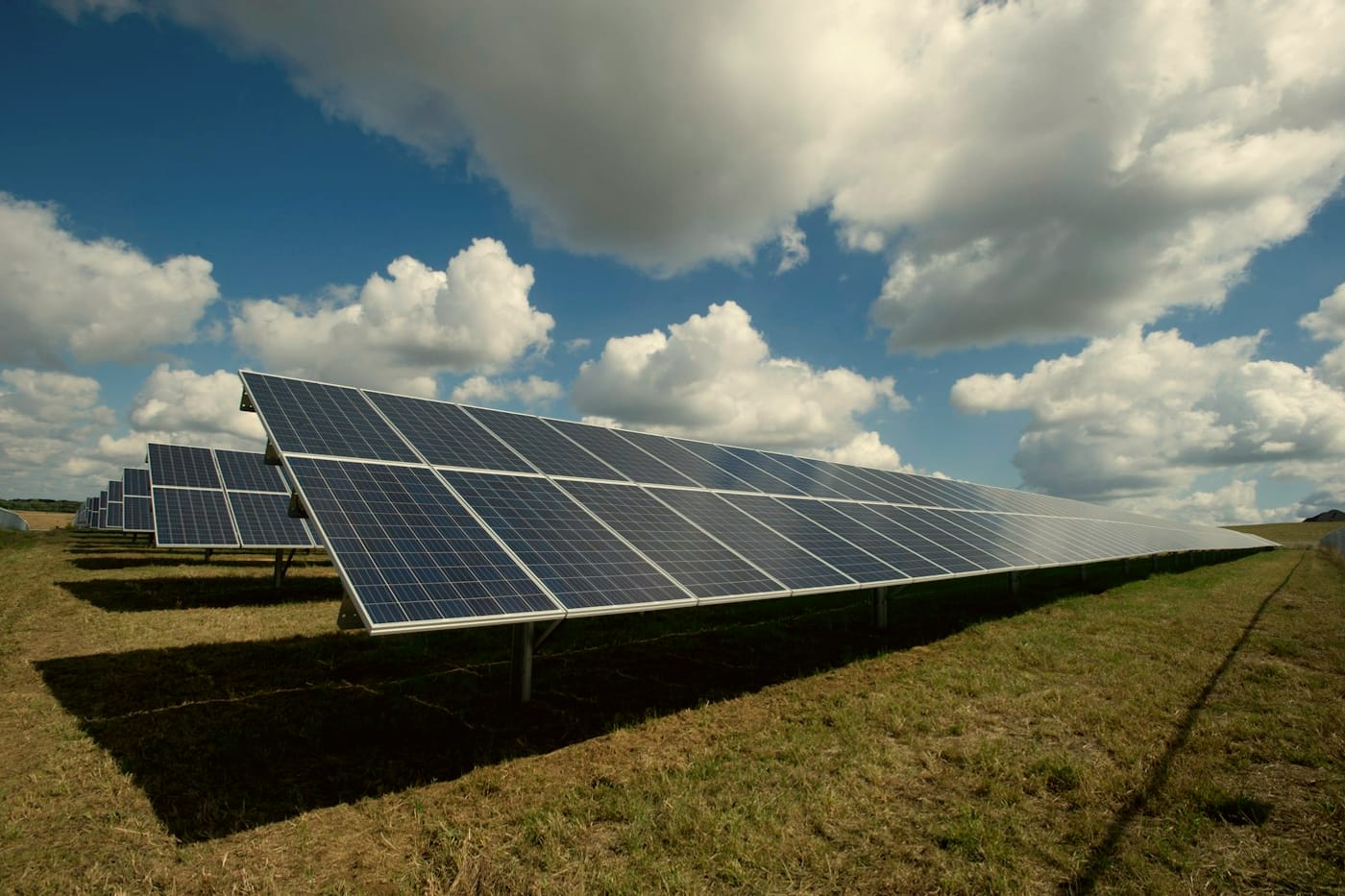
- Solar project financeFinancing a solar project: site control, interconnection, PPA, module supply and tax credit files that tax equity investors, credit buyers and lenders review.
- Renewable energy raiseRaising equity for a renewable developer: pipeline stages, development assets, team and the room investors use to value wind, solar and storage platforms.
- Project financeRaising non-recourse project finance: the contract package, independent reports, base case model and a data room built around the lenders' conditions precedent.
- Oil and gas raiseRaising equity or reserve-based debt for oil and gas: reserve reports, title, lease records, production data and the room structure capital providers expect.
- Mining raiseRaising capital for a mining project: technical report summaries, drill data, permits, offtake and streaming terms, and a room index for technical reviewers.
- Data center raiseRaising equity and debt for a data center: power commitments, land, entitlements, tenant leases, construction contracts and the checklist investors work from.

Debt and structured capital
Lenders read the room too: notes, credit facilities, refinancings and recapitalizations.
9 use cases
- Venture debtRaising venture debt after an equity round: what lenders check on runway, burn and investor support, a 9-folder room and the terms to read before signing.
- Note private placementIssuing notes in a private placement: who buys, what institutional investors and their counsel read, Rule 144A and 4(a)(2) routes, and a data room index.
- RefinancingRefinancing a company or property loan: maturity planning, what new lenders review, payoff and lien release steps and a data room index for the process.
- RecapitalizationRunning a recapitalization: new equity or debt, existing holder consents, valuation work and a data room built for lenders, investors and creditors.
- Dividend recapRaising debt to pay a dividend: what lenders underwrite, the solvency and surplus checks the board needs and a data room index for a dividend recap.
- Asset-based lendingRaising an asset-based loan: receivables and inventory data, field exams, appraisals, borrowing base reporting and a data room index for ABL lenders.
- Mezzanine debtRaising mezzanine debt for a company or property: subordinated lender diligence, intercreditor terms, equity kickers and a data room index for the process.
- Bank credit facilityRaising a revolver or term loan from banks: arranger process, lender group diligence, covenant packages and a data room built for syndication.
- Debt fundraisingDebt fundraising explained: the main types of debt capital, what lenders read, how the process runs and a data room index that fits most debt raises.

Raise documents and process
The documents and stages every raise shares, from the teaser and DDQ to capital calls and LP reports.
14 use cases
- Fundraising DDQHow a GP answers a fundraising DDQ: the ILPA DDQ 2.0 sections, which exhibits LPs expect next to each answer, and a folder plan that keeps them matched.
- PPMWhat a PPM holds in a private raise, how to control versions and who received which copy, plus the Form D and marketing rule points to check.
- Subscription documentsHow to send, sign and check subscription documents for a fund or private offering: the investor questionnaire, accreditation proof, KYC, tax forms and closings.
- Side lettersHow GPs handle LP side letters during a raise: common requests, MFN elections, ERISA and public pension terms, and why each letter needs its own locked folder.
- LP reportingQuarterly and annual LP reporting from a data room: the pack, the 2025 ILPA reporting and performance templates, audit timing and per-LP capital statements.
- Capital callsHow a GP issues capital call and distribution notices from a data room: what each notice states, the ILPA template, wire fraud controls and default steps.
- Annual investor meetingPreparing the annual LP meeting: the deck, portfolio reviews, LPAC session and follow-up, and how the room keeps pre-reads, slides and Q&A in one place.
- RoadshowPlanning a roadshow for a fund or company raise: meeting order, what to send after each pitch, reading access signals, and the folders to open by stage.
- Teaser and IMHow a teaser and an information memorandum work in a raise: what each one says, when the NDA comes, how to stage access and which folders follow the IM.
- Placement agentWorking with a placement agent on a fund or private raise: broker-dealer status, pay-to-play rules, who controls the room and tracking agent-sourced LPs.
- Term sheet stageFrom signed term sheet to closing a round: which folders open to the lead, what confirmatory diligence covers, the closing document list and common delays.
- Due diligence checklistThe diligence checklist investors use, written for the issuer: core folders for company rounds and fund raises, what to prepare first, how to track gaps.
- Investor relationsHow an IR team uses a data room through a raise and the fund life: prospect tracking, consistent answers, reporting, LP requests and preparing the next fund.
- Pitch deck sharingSend a pitch deck as a tracked link, not an attachment: page-level views, when to add the full data room, what sits next to the deck and what to hold back.
Raises by sector
What investors ask for when the raise is a biotech, a fintech, a franchise, a film or a capital campaign.
15 use cases
- BiotechRaising a biotech round: what specialist investors read first, staging preclinical and clinical data, IP and licenses, and a folder plan for the raise.
- MedtechRaising for a medical device company: how the FDA pathway shapes the raise, what investors read on quality systems, reimbursement and IP, and the folders.
- Life sciencesRaising capital for a life sciences tools, diagnostics, CRO or CDMO business: what investors check, lab and quality files, customer data and a folder plan.
- SaaSWhat SaaS investors check in a raise and how to show it: ARR build, cohort and net revenue retention, contracts, security reports and the order to open folders.
- FintechRaising for a fintech: what investors check on licenses, bank partners, compliance, fraud and credit losses, and how to lay out a room for regulated data.
- AI companyWhat investors check when an AI company raises: data rights, model ownership, compute contracts and inference margins, customer terms and evaluation results.
- Climate techRaising for a climate tech company: technology readiness, offtake contracts, grant and tax credit assumptions, project capital and a room for each source.
- Deep techRaising for a deep tech company: technical milestones, non-dilutive funding, export control and foreign investor screening, IP and technical reviewers.
- Consumer brandRaising for a consumer brand: what investors check on channel sales, retail velocity, contribution margin, inventory and suppliers, and a folder plan.
- Healthcare servicesRaising for a provider group or clinic chain: what investors check on payers, licensure, fraud and abuse compliance, HIPAA and state notice rules.
- Sports team stakeRaising capital for a professional sports team: league approval, media and sponsorship revenue, venue terms, player costs and a room for stake buyers.
- Film financingHow a film raise combines equity, presales, gap loans and incentives, and what financiers check on chain of title, the completion bond and the waterfall.
- FranchiseRaising capital as a franchisor or multi-unit franchisee: the FDD and its 23 items, unit economics, development agreements, franchisor consent, lenders.
- CannabisRaising for a state-licensed cannabis business: federal status disclosure, license and ownership rules, section 280E tax, banking limits and access control.
- Capital campaignRunning a nonprofit capital campaign: the quiet phase, the case for support, pledge and naming agreements, IRS acknowledgment rules and a room for donors.
Questions and answers
Why rank data rooms by raise type?
A fund raise with eighty LPs needs different things from a seed round with five angels. Each use case shifts the weights of our five criteria toward what its investors read and ask.
My raise is not listed. Which page is closest?
Pick the group that matches who invests: equity in a company, LP commitments to a fund, equity in property or a project, or debt. The group pages share most documents and features.
Is a use case legal guidance?
No. Pages explain how raises usually run and what investors ask for. Securities law decides who you may offer to; ask counsel before you open a room.